Every Utah road trip guide publishes the same itinerary: Zion, Bryce Canyon, Arches, done. Spend two days at each, hit the visitor center, stand in the canyon, take the photo. It's a perfectly fine trip. But if you're going to make the drive from Zion to Moab anyway — and it's a genuinely spectacular drive — there are a few additions that turn a national park checklist into something that actually gets talked about after you're home. Here's what adding a UTV day in Moab looks like when you build it into the itinerary from the start.
Understanding the Drive from Zion to Moab
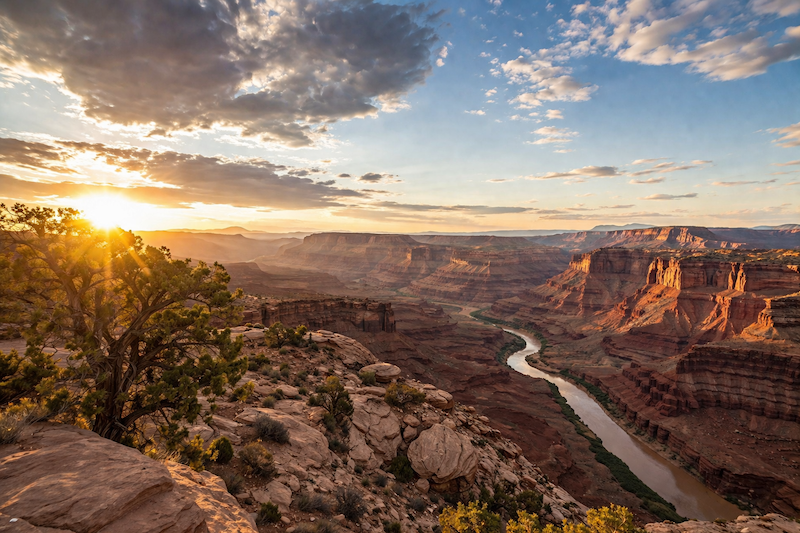
The most direct route from Zion National Park to Moab is roughly 4.5 to 5 hours without stops — about 310 miles through the middle of Utah. The route passes through Bryce Canyon country, Capitol Reef National Park's corridor, and the San Rafael Swell before dropping into Moab. It's one of the more scenic long drives in the American Southwest, and most people barrel through it in a single day trying to maximize park time at either end.
A better approach: plan two days for the Zion-to-Moab leg. Stay overnight in or near Capitol Reef, take the scenic route through Torrey and Hanksville, and arrive in Moab with a full day available before you start on Arches and Canyonlands. That extra day is where a UTV tour fits cleanly into the schedule.
Why Moab Off-Road Time Belongs in the Itinerary
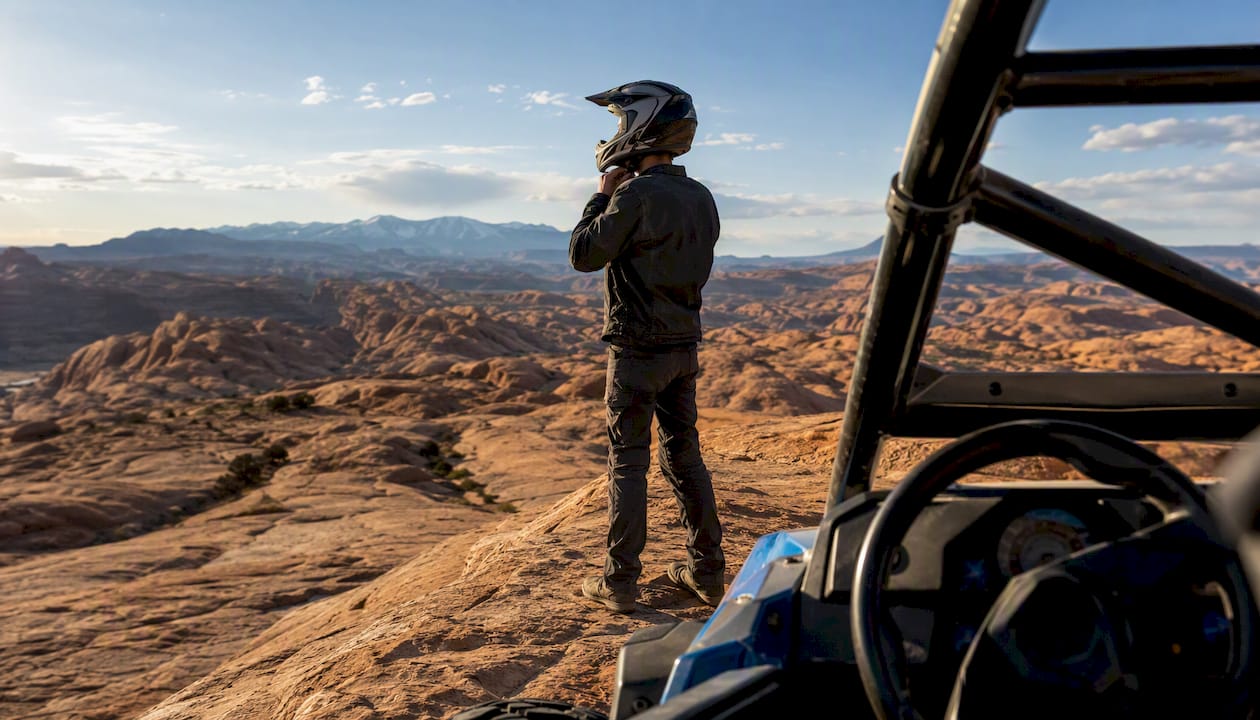
Zion and Bryce are primarily hiking-and-viewpoint parks. You're on foot, you're on established trails, and the pace is relatively controlled. Moab offers something structurally different: the canyon country is accessible from inside a vehicle, which means you're getting into terrain that hiking trails don't touch. The slickrock mesas above the Colorado River, the technical canyon formations in Fins & Things, the exposed ridge lines of Hell's Revenge — these are places you drive to and through, not walk around.
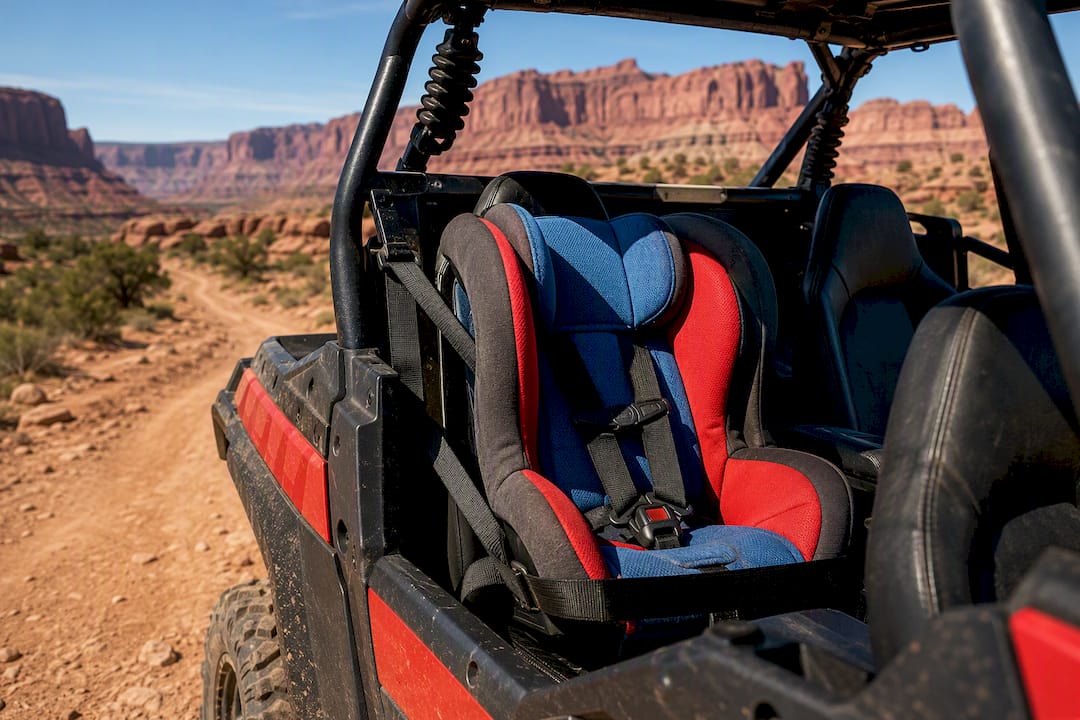
For a family where not everyone is at the same fitness level, this is a significant practical advantage. A three-generation group can all be in the same UTV, experiencing the same obstacles in real time. No one is waiting at the trailhead. That changes the dynamic of the trip more than people expect before they've tried it.
Building the Itinerary: A Sample Framework
Here's a workable structure for a 7-day Utah trip that includes Zion, a Moab UTV day, and both Moab national parks.
Days 1–2: Zion National Park
The Narrows and Angels Landing are the marquee experiences. Book Angels Landing permits well in advance — availability is genuinely limited and the permit system is competitive during peak season. The Emerald Pools trail system works well for families with younger kids or anyone who wants a lower-intensity option. Two days is enough for most first-time visitors to see the major features without feeling rushed.
Day 3: The Drive to Capitol Reef
Drive Highway 89 east from Zion toward Capitol Reef. The route passes through Kanab and the southern edge of Grand Staircase-Escalante National Monument — worth a brief stop at the visitor center in Kanab if geology context interests you. Overnight in Torrey, the small town at Capitol Reef's western entrance. Torrey has some of the better lodging options on this stretch of the route and is a good base for the next morning.
Day 4: Capitol Reef and the Drive to Moab
Capitol Reef gets underestimated consistently. The Fruita Historic District, the Fremont River canyon walk, and the Waterpocket Fold geology are all worth several hours. From Torrey, you can also access the Burr Trail — one of the most scenic unpaved roads in Utah — before connecting to Highway 24 east toward Moab. Arrive in Moab by late afternoon and get oriented. Eat somewhere downtown. The next day is the one that changes the trip.
Day 5: UTV Day in Moab
Book a morning tour that gets you on the trail early — the light is better and the temperatures are manageable before midday during warmer months. The Gateway to Hell's Revenge and Fins & Things tour is the right entry point for most groups on a multi-park road trip: it combines two distinct trail personalities in a single outing and doesn't require prior off-road experience. If your group is all adults who want the maximum terrain experience, the Hell's Revenge Pro R Ultimate (21+) runs the same iconic terrain in a Polaris RZR Pro R. The afternoon is free for downtown Moab, the Colorado River corridor scenic drive on Highway 128, or an early dinner before the national park days begin.
Days 6–7: Arches and Canyonlands
Arches requires a timed entry reservation during peak season (typically April through October) — book this well in advance, as slots fill fast and the reservation system opens months out. Delicate Arch at sunrise or sunset is the defining image of the park. Canyonlands Island in the Sky district is a half-day drive through mesa top viewpoints that doesn't require the same reservation complexity. Mesa Arch at sunrise is worth setting an early alarm for.
Logistics Worth Planning in Advance
Most visitors to Zion fly into Las Vegas (roughly 2.5 hours from the south entrance) or Salt Lake City. Las Vegas is the more logical starting point for the Zion-first, Moab-last itinerary described above. Salt Lake City makes more sense if you're ending your trip with Moab or adding Bryce Canyon as a first stop.
Lodging in Moab books up fast, particularly in April, May, September, and October. Book your Moab hotel and UTV tour at the same time — availability for both tightens simultaneously as peak season approaches. Walking in without reservations in May is how you end up in a hotel 45 minutes outside town and unable to book the tour time you wanted.
For families with young children, the Moab Discovery Tour is designed with mixed-age groups in mind and is a strong option if you want a lower-intensity introduction before deciding whether to add a second trail day. The Polaris Xpedition XP5's climate-controlled cab is particularly worth considering for summer visits or groups with members who are heat-sensitive.
What to Do After the UTV Tour
Moab has enough post-tour options to fill the rest of the day without effort. The Colorado Riverway stretch of Highway 128 is a 30-minute scenic drive with river access points and a few picnic areas. The Moab downtown strip has restaurants across the full range from casual lunch to sit-down dinner. If your group has energy after the trail, the late afternoon light on the canyon walls from any pullout on the main highway is worth experiencing before the Arches days begin.
Ready to add an off-road day to your Utah trip? Browse the full tour lineup at Epic 4x4 Adventures Tours or reach out at Contact Us to ask about group availability and vehicle options.
Frequently Asked Questions
How far is it from Zion National Park to Moab?
The most direct route from Zion to Moab is approximately 310 miles, which takes about 4.5 to 5 hours of driving time without stops. The scenic route through Capitol Reef adds roughly 30 minutes but passes through a fifth national park and is significantly more visually rewarding. Most travelers doing this route add an overnight stop in Torrey near Capitol Reef or in the Green River area.
Do I need to book UTV tours in advance?
Yes, especially if you're visiting during spring or fall peak season. Popular tours fill weeks out during April, May, and October. If you're planning a multi-park Utah trip, book your Moab UTV tour at the same time you book your lodging — treat them as equivalent reservations that need to happen together. Walk-in availability exists but is not reliable for groups or specific time slots.
Is Moab suitable for families with young children?
Moab is one of the better off-road destinations for mixed-age groups specifically because UTV tours don't require physical fitness to participate. Children ride along in the same vehicle as adults, secured in the same six-point harness system. Age minimums vary by tour — check the specific tour pages or contact the team to confirm requirements for your youngest riders before booking.
What's the best time of year for a Zion-to-Moab road trip?
April through early June and September through mid-October are the optimal windows for this itinerary. Both parks are fully accessible, Moab temperatures are comfortable for outdoor activity, and the light quality in canyon country during these months is genuinely exceptional. Summer visits are possible but require heat planning at Zion's canyon hikes and on Moab's exposed mesa terrain. Winter visits to Zion can be beautiful, but Capitol Reef and Moab access can be affected by snow on the connecting highways.