The advice you'll find on most Utah road trip blogs goes something like this: spend a day in Bryce Canyon, then drive four hours to Moab and spend a day there. What they skip over is that this approach turns two of the most spectacular places in the American West into back-to-back box-checking exercises. Here's what actually works: build your Moab time around a UTV tour that gets you off the pavement and onto the terrain, treat Bryce as the complementary half of a two-destination itinerary rather than a separate item on a checklist, and use the drive between them as a feature rather than a commute.
Why Bryce and Moab Work Together
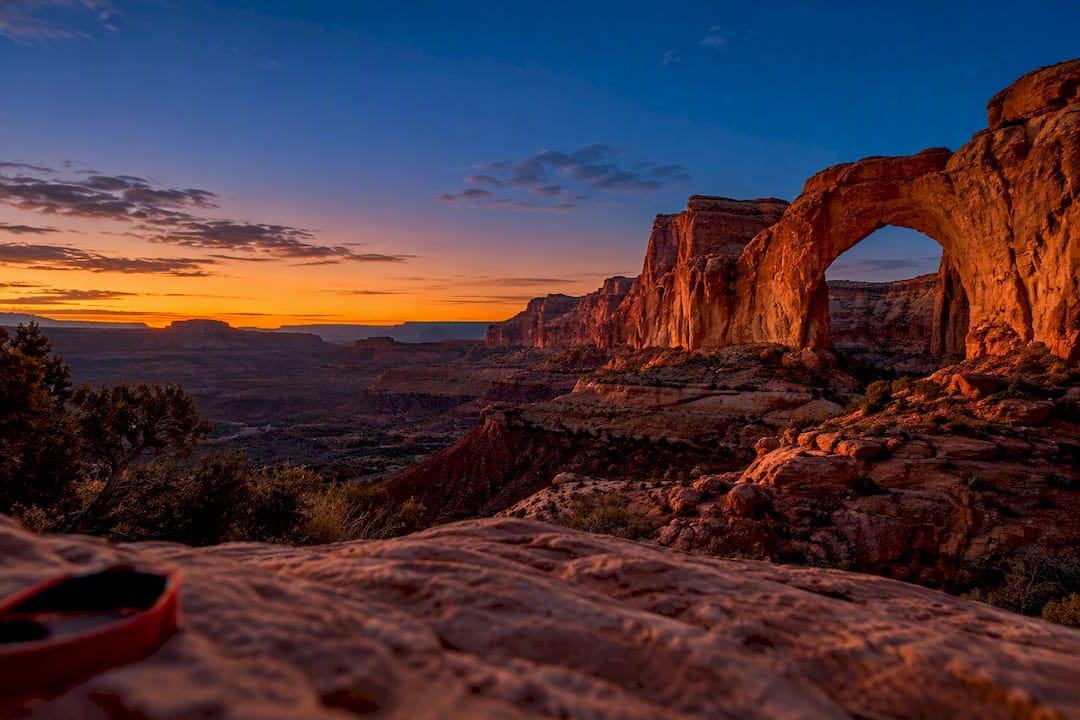
Bryce Canyon National Park and Moab sit about 170 miles apart — roughly a 2.5-hour drive on US-89 and US-191. They're close enough to anchor a long weekend without back-to-back marathon driving days, and they're geographically diverse enough that combining them gives you an experience no single destination can match. Bryce delivers the hoodoo formations and high-elevation pine forests. Moab delivers red sandstone canyons, slickrock terrain, and the kind of off-road access that no national park offers.
The pairing also works logistically. Fly into Las Vegas or Salt Lake City, drive to Bryce first — it sits closer to Vegas on US-89 — spend a full day on the canyon rim and the Navajo Loop trail, then drive northeast to Moab and arrive in time for a morning tour the following day. The itinerary flows naturally from one landscape into the next without doubling back.
Building the Three-Day Itinerary
Day One: Bryce Canyon
Bryce is best experienced before the tour buses arrive. Get to Inspiration Point at sunrise if you can — the light on the hoodoos in the first hour after dawn is the image that ends up framed on walls. From there, walk the Navajo Loop down into the canyon floor and back up via Queen's Garden. That covers two to three hours of hiking at moderate elevation. Bryce sits above 8,000 feet, so go easy if you're arriving from sea level. The afternoon is a good time to drive the 18-mile scenic road south to Rainbow Point, then head toward Moab in the early evening.
Day Two: Moab UTV Tour
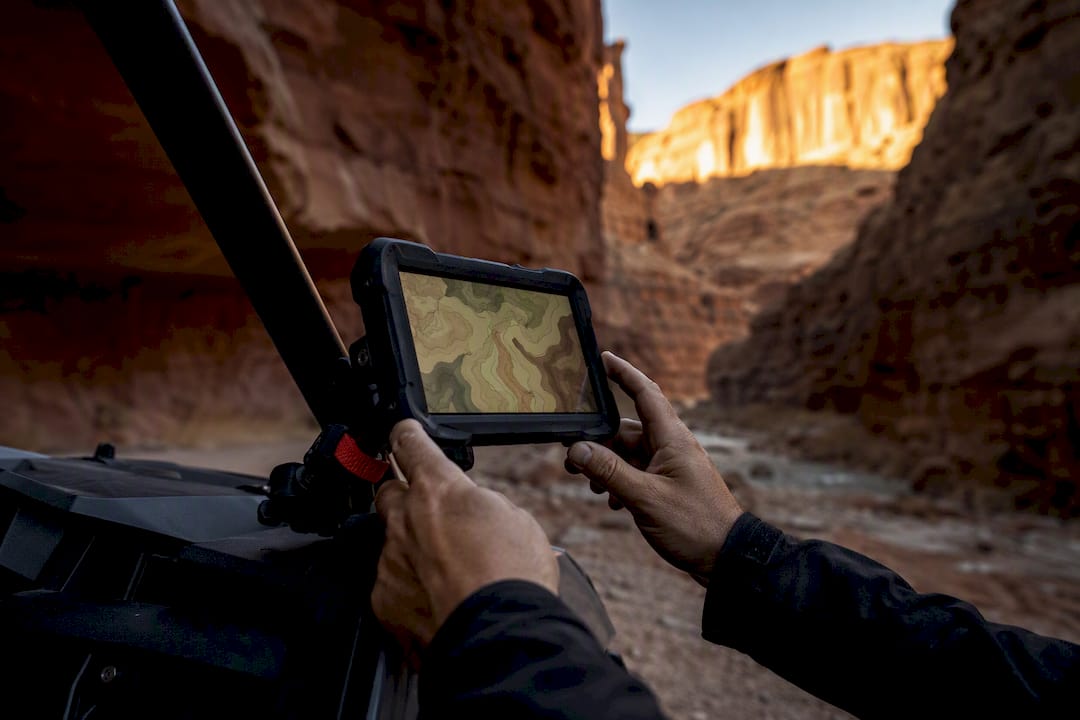
Plan your Moab arrival for the afternoon or evening before your tour day. Get checked in, get a good meal — Moab has a solid restaurant scene for a town its size — and start your tour morning rested. The Moab Discovery Tour is designed for guests who want a comprehensive introduction to red rock riding: canyon views, technical terrain, and enough variety to understand why Moab's trail system has the reputation it does.
For guests with prior experience or a group that wants more challenge, the Moab Slick Rock Discovery Tour adds slickrock riding to the mix — a different traction challenge that most riders have not encountered before and that tends to be the moment of the trip people describe first when they get home.
Day Three: Arches and the Drive Out
Arches National Park is 5 miles north of Moab on US-191. Reserve your timed-entry permit in advance — Arches runs a reservation system during peak season, and showing up without one means turning around at the gate. The Windows section is walkable in under an hour and gives you the iconic double arch view. Delicate Arch requires a 3-mile round-trip hike with significant elevation gain, but the payoff is standing beneath the largest freestanding arch in the park with the La Sal Mountains behind it. From Arches, head north to Salt Lake City or south back toward Las Vegas depending on your departure airport.
The Capitol Reef Corridor: Don't Skip It
The most direct route between Bryce and Moab cuts through Capitol Reef National Park on Highway 24. This is not a detour — it is an upgrade. Capitol Reef is the least-visited of Utah's Mighty 5, and driving through the Waterpocket Fold on Highway 24 is one of the more dramatic stretches of road in the American West. Stop at the Fruita orchards if they're in season, walk the short Hickman Bridge trail if you have 45 minutes, and keep moving. The Capitol Reef corridor adds less than an hour to your driving time and exposes you to a third national park unit on the same day — a meaningful addition to the trip for nearly zero additional cost.
Seasonal Considerations for This Pairing
Late April through early June is the most reliable window. Bryce's high elevation means snow is possible into April, but by late April the canyon trails are typically clear. Moab in May is close to ideal — temperatures in the 70s and 80s, stable trail conditions, no summer heat to manage. Fall brings similar conditions, with the added visual of color change in Bryce's aspen and pine at elevation.
If you're traveling in summer, the climate-controlled enclosed cab on our Polaris Xpedition XP5 Northstar becomes genuinely useful. Moab's canyon country can hit 105°F in July and August, and the difference between riding in an open vehicle and riding in a cooled cab is not subtle. Your group arrives at the viewpoints comfortable rather than depleted. It's a meaningful upgrade for any trip that includes midday canyon riding in summer.
Booking the Trip Right
Book your Moab UTV tour before you book anything else. Tour availability — especially for small groups that want specific vehicles or departure times — fills up weeks ahead in peak season. Lock in your tour date first, then build the rest of the trip around it. Everything else in this itinerary is flexible; the tour has a specific time slot and a finite number of open spots.
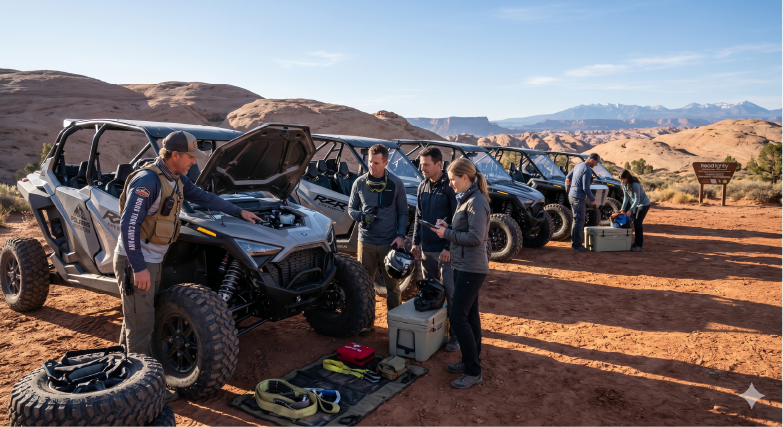
Our tours run in small groups with a guide-led caravan format, meaning your whole party drives together at a pace set by the guide. If your group spans multiple generations — grandparents, parents, kids — the stadium seating and six-point harnesses in our vehicles make this accessible for everyone. We've had three generations on the same trail more times than we can count, and that combination of shared experience is exactly what road trips are supposed to produce.
Ready to build your trip? Contact us to discuss tour options or browse available tours and get your Moab day locked in before you book anything else.
Frequently Asked Questions
How far is Bryce Canyon from Moab?
Bryce Canyon and Moab are approximately 170 miles apart via US-89 North and US-191, a drive of roughly 2.5 to 3 hours depending on your route. If you take the Capitol Reef corridor on Highway 24, the drive is slightly longer but passes through some of Utah's most dramatic highway scenery and adds a third national park to your trip at no real time cost.
Can you visit Bryce Canyon and Moab in the same road trip without feeling rushed?
Yes — three to four days covers both destinations comfortably. One full day in Bryce Canyon, one day in Moab for a UTV tour, and a half day at Arches before departure is a realistic and satisfying itinerary. The key is booking your Moab tour before everything else and working backward from that fixed date.
What is the best time of year to do this Bryce-to-Moab trip?
Late April through early June and mid-September through early November are the strongest windows. Spring offers clear trails in both locations and mild temperatures. Fall adds color at Bryce's elevation and keeps Moab below the summer heat threshold. Summer works but requires earlier tour start times and makes the climate-controlled cab option significantly more relevant.
Which Moab tour works best for a road-trip group with mixed experience?
The Moab Discovery Tour is the right starting point for road-trip groups — it covers a strong variety of terrain without requiring prior off-road experience and fits neatly into a half-day so you still have time for Arches the same afternoon. Groups that want more technical challenge can step up to the Moab Slick Rock Discovery Tour.