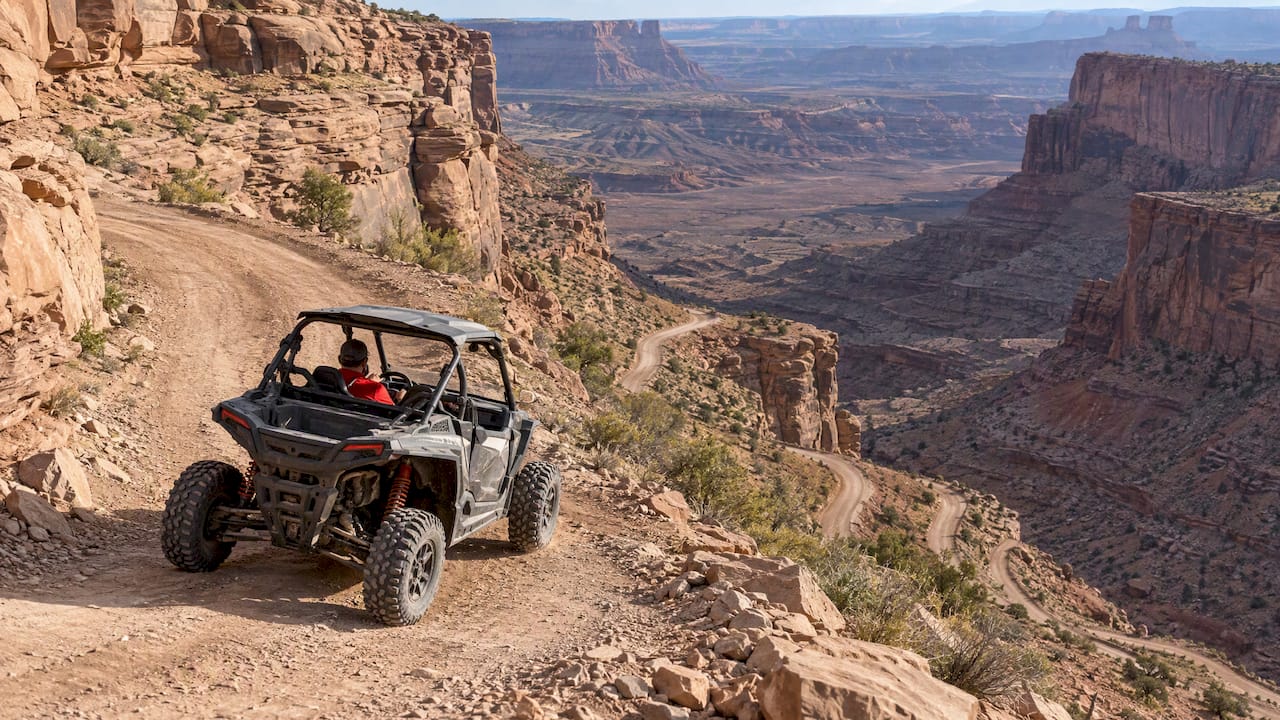
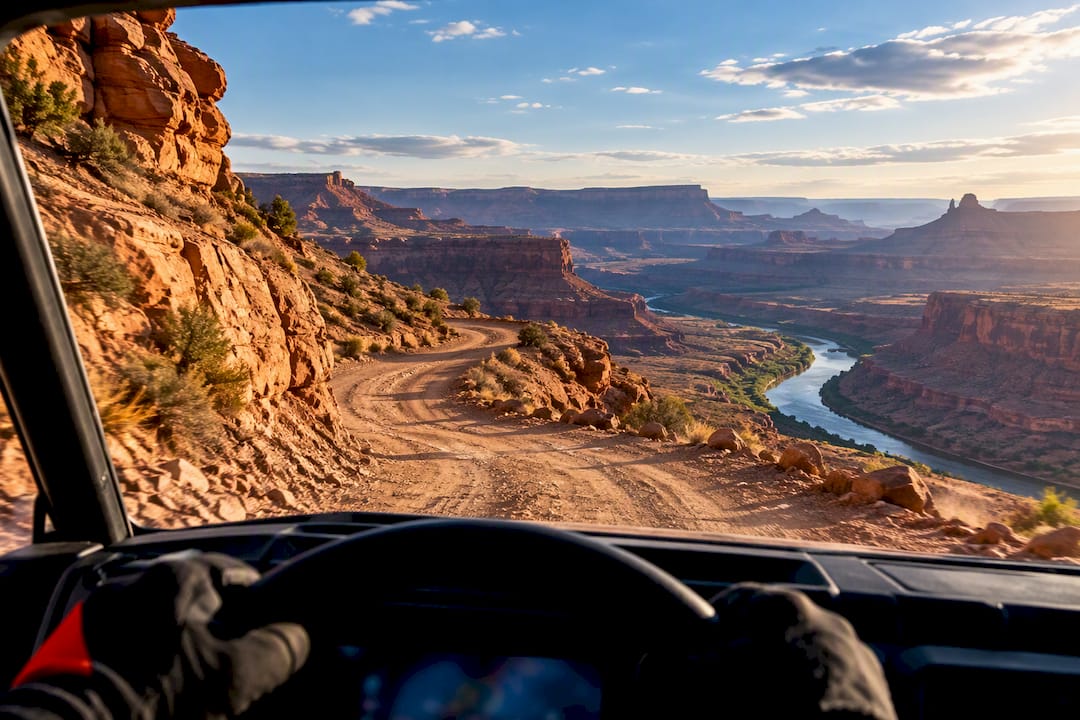
Moab in winter delivers cold mornings, bright afternoons, and some of the quietest trails you will find at Arches National Park all year. Visitor numbers drop, overlooks that felt crowded in October sit empty, and red rock against a dusting of snow makes for striking photography. You will need traction gear for icy sections and a plan built around shorter daylight, but for travelers who book a guided UTV tour instead of navigating backcountry roads themselves, winter access gets a lot simpler.
Epic4x4adventures
epic4x4adventures.com
Explore Moab’s Winter Trails
Guided UTV tours led by local experts offer a way to explore Moab’s scenic trails with built-in navigation and terrain knowledge.
Table of Contents
What winter weather, daylight, and crowds actually look like
Daytime highs in Moab typically run from the 30s to the 50s Fahrenheit, with overnight lows often dropping into the single digits or teens, according to Visit Utah’s seasonal guidance. Snow in town stays light and usually melts within a day or two, while the La Sal Mountains just east of the valley collect far more of it, turning that range into a genuinely alpine environment in the same week Moab’s valley floor is dry and sunny.

Daylight runs shorter than most visitors expect, with notably reduced hours between sunrise and sunset, which pushes smart trip planning toward earlier starts. The National Park Service recommends building hikes around that shrunken window rather than assuming summer-length afternoons.
Crowds thin out considerably. Weekdays in particular feel close to empty at viewpoints that see long lines in spring and fall, and Discover Moab notes that winter visitors consistently find quieter parks and lighter traffic on scenic drives. Weekends still draw a noticeable bump at the most photographed spots, so if solitude is the goal, a Tuesday morning beats a Saturday every time.
Top winter activities that actually work in Moab
Winter does not shut Moab down. It shifts which activities make sense and rewards visitors who match the season to the right terrain.
That last option matters more in winter than any other season, since the routes that reward the most effort are often the ones with the trickiest footing or driving.
Which roads and trails turn risky once it gets cold
Not every surface in Moab behaves the same way once temperatures drop. Slickrock holds ice longer than dirt, and shaded canyon sections can stay frozen for days after a storm has melted everywhere else. Snow cover can also bury the cairns hikers rely on for route finding, making navigation harder on trails that feel obvious in summer.
Pro Tip: Call ahead or check a park’s road-conditions page the morning you plan to drive, since a route that was clear the day before can ice over overnight.
Gear, traction, and a winter safety checklist
Dressing and equipping correctly turns a cold Moab day from miserable into genuinely enjoyable.
Pro Tip: A pair of microspikes costs far less than a sprained ankle on frozen slickrock, and they fold small enough to carry even on days you do not expect to need them.
Services, camping, and checking conditions before you go
Winter changes the practical side of a Moab trip as much as the weather does. As of February 2026, Arches National Park lifted its timed-entry reservation requirement, though Devils Garden Campground and Fiery Furnace permits still require advance booking.
Conditions can change fast enough overnight that a plan made on Monday needs rechecking by Wednesday.
Why guided UTV tours make winter exploration easier
Reaching Moab’s best winter viewpoints usually means driving a backcountry road that turns unpredictable the moment temperatures drop. Riding with local guides removes that guesswork, since the route, pacing, and vehicle choice are already matched to the day’s conditions.
For families or first-time winter visitors, a guided seat in a UTV tends to deliver more scenery per hour than a self-driven attempt at the same road.
A quiet winter morning on the rim
Step out before sunrise in January and the air has a bite to it, the overlooks are empty, and the light on the rock turns a deeper red than any summer afternoon manages. Bring more layers than you think you need, build slack into your schedule, and check road and service hours before you leave, since winter in Moab rewards flexibility more than any other season does.
Book a winter UTV tour with us
A guided winter outing with us means a route already matched to the day’s conditions, a 2026 Polaris vehicle built for the cold, and a local guide who knows which overlooks are worth the detour this week. Our Moab Discovery Tour runs $329 per vehicle, and the Pro Xperience Tour, where our expert drives and you ride along, runs $597 per vehicle on the We Drive tours page.
Browse current departures and reserve your spot on our tours page, and if you’d rather spend the evening somewhere with a hot soak after a cold day outdoors, verified hot tub listings near Moab are worth a look for the stay itself.
FAQ
Does it snow a lot in Moab, Utah?
Moab’s valley floor gets relatively light snow that usually melts within a day or two, while the nearby La Sal Mountains collect far more and hold onto it through the season, per Discover Moab. The contrast means you can hike dry red rock trails in town the same week alpine routes nearby are snowed in.
What are some fun things to do in Moab, Utah in November?
November offers cooler, quieter versions of Moab’s classic activities: hiking Arches and Canyonlands overlooks, scenic driving, and photography in softer light. It is also a good window for a guided UTV tour, since trails are typically still dry at lower elevations before the coldest weather sets in.
What are some easy winter hikes in Utah?
Paved or well-maintained overlook trails at Arches and Canyonlands, such as the Windows section and Island in the Sky viewpoints, stay accessible in winter with microspikes for icy patches, according to NPS winter guidance. Shaded or slickrock sections take longer to dry out, so stick to sunnier, well-traveled routes on cold mornings.
How many days in Moab is enough?
A focused winter trip of two to three days covers a national park visit, a guided UTV tour, and time for photography without rushing. Extending to four or five days gives room to add the La Sal Mountains for snowshoeing or skiing if conditions allow.
Recommended