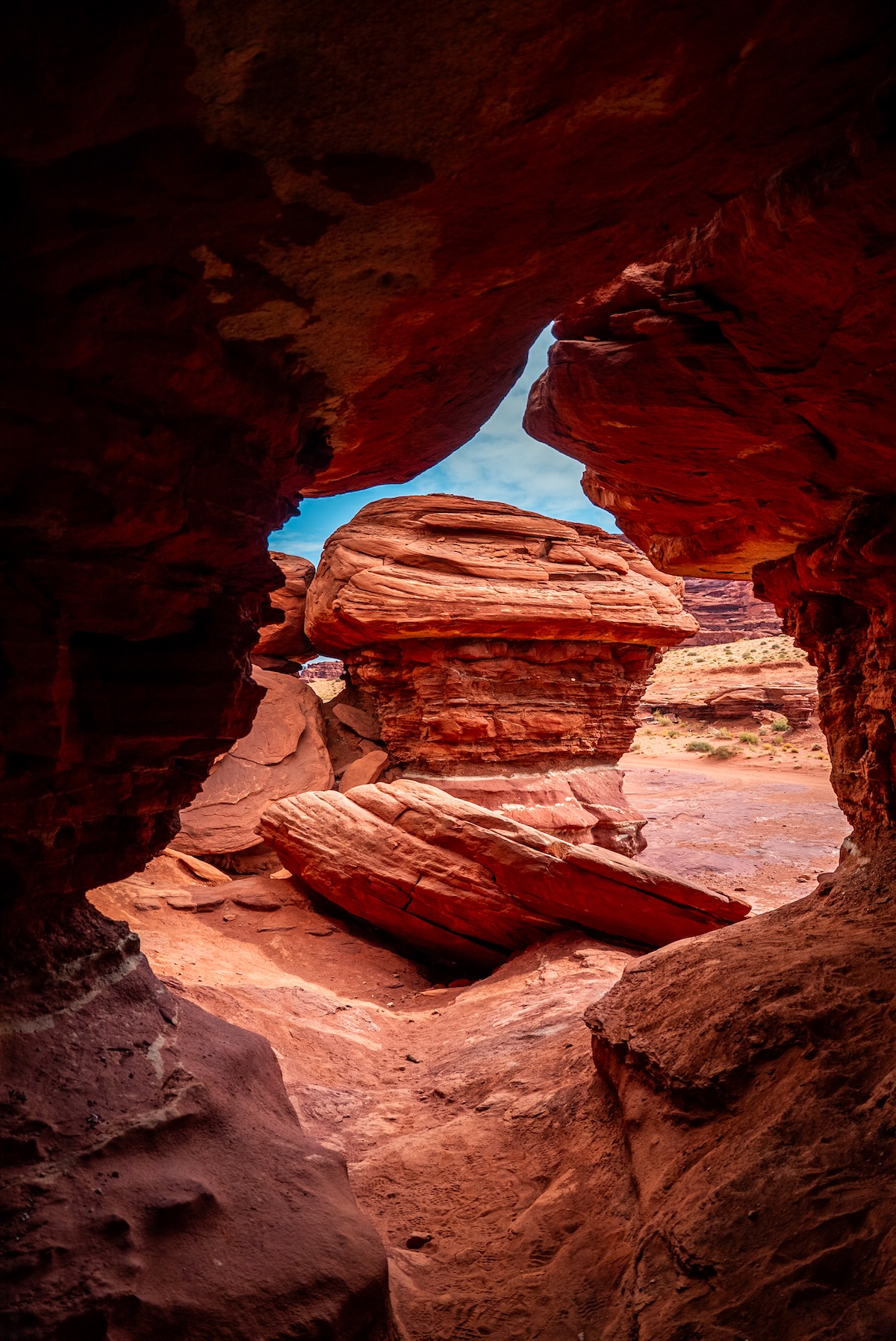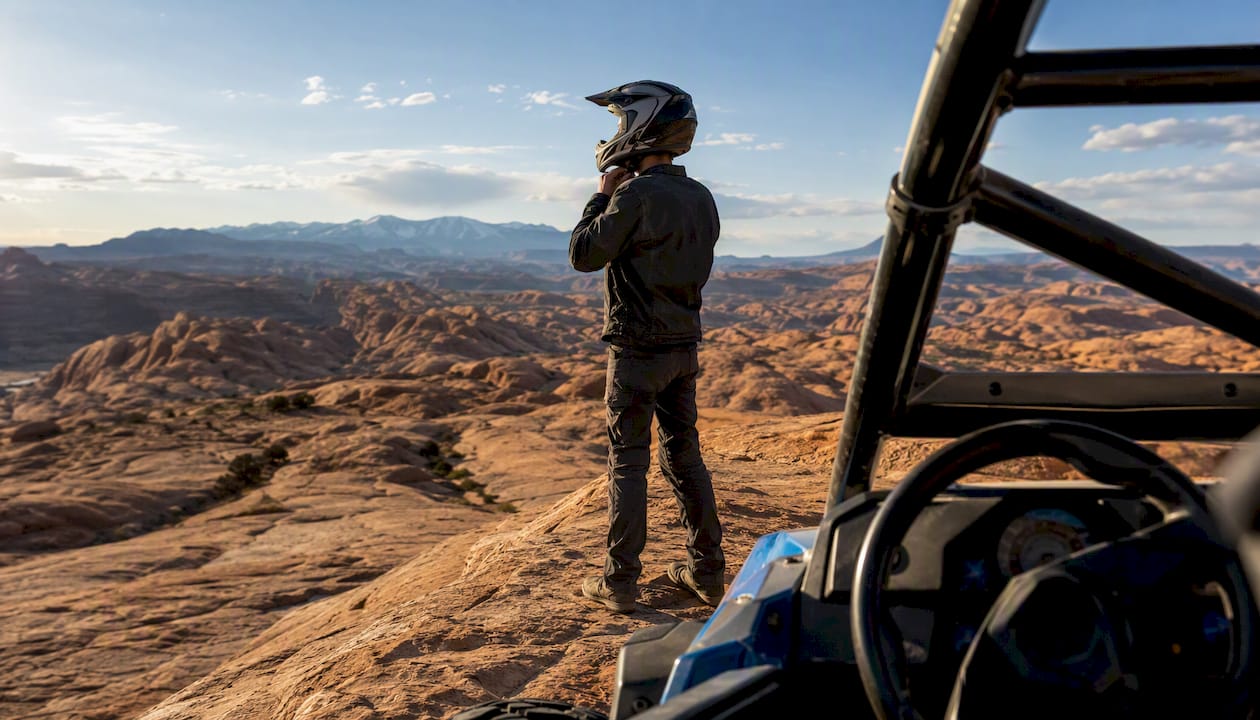
The standard Moab photography advice—wake up at 4 AM, drive to Delicate Arch, wait with 150 other photographers, hope nobody steps in your frame—produces standard Moab photos. Here's what actually separates the canyon images that stop people mid-scroll from the roadside overlook shots: access. The light everyone is chasing exists in places that parking lots can't reach. A UTV tour changes that equation entirely.
Why Most Moab Photography Is Constrained by Roads
Arches and Canyonlands are world-class subjects. The problem is that every photography website, Instagram account, and travel magazine is shooting from the same fifteen access points. The famous angles are famous because they're accessible. They're also saturated. If you're serious about canyon photography—or you simply want images that look like yours—the path off the pavement opens up compositions that most visitors never see.
What UTV Trail Access Actually Changes
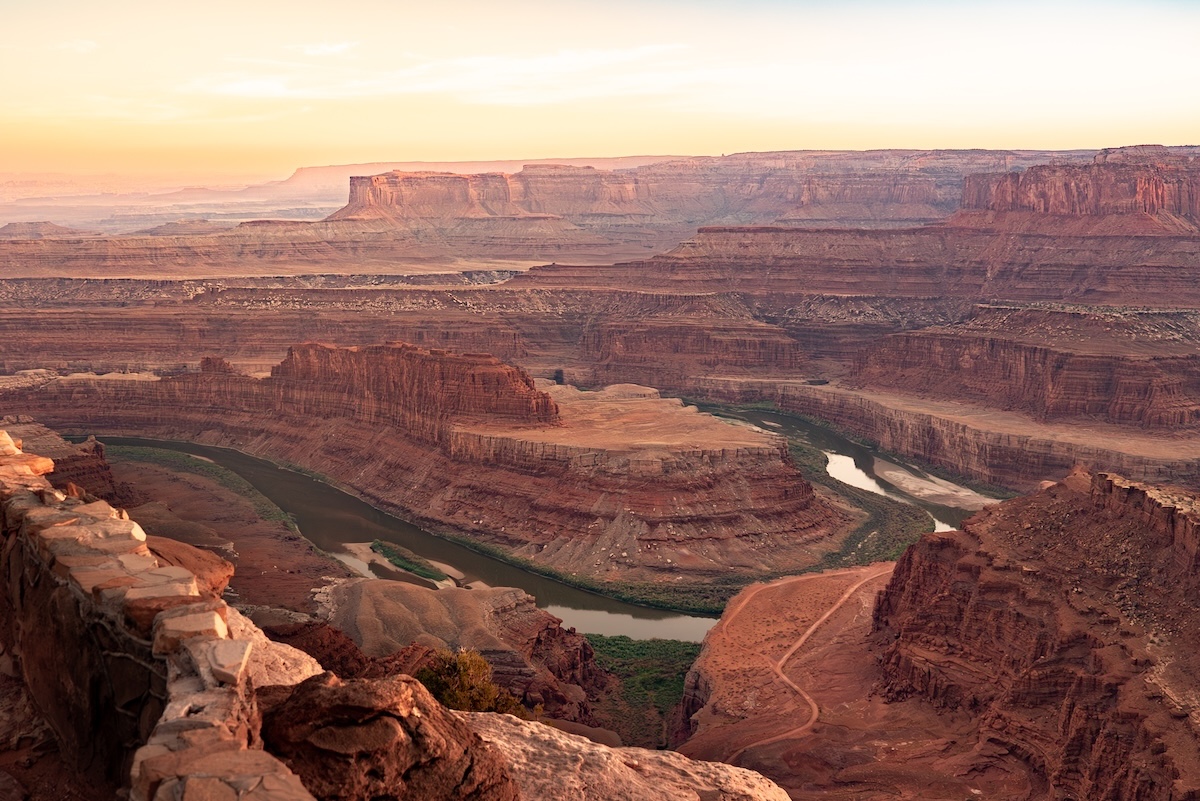
Moab's backcountry trail system reaches canyon corridors, slickrock ridgelines, and river overlooks that have no foot trail and no road access. These aren't minor variations on familiar scenes. The canyon from the Moab Rim at first light looks nothing like the canyon from the park visitor center at first light. The Colorado River from a slickrock bench 800 feet above it looks nothing like the view from the riverfront recreation area below. Proximity and elevation change everything in landscape photography. UTV tours provide both.
The Golden Hour Advantage
Canyon light in the first 90 minutes after sunrise is qualitatively different from midday desert light. The low sun angle throws shadows into crack systems, turns sandstone from orange to deep red, and creates the kind of contrast that doesn't require post-processing to look dramatic. The challenge with golden hour in Moab is that the locations where it looks best—elevated ridgelines, open canyon corridors, river bends with clear western exposure—are not accessible by car.
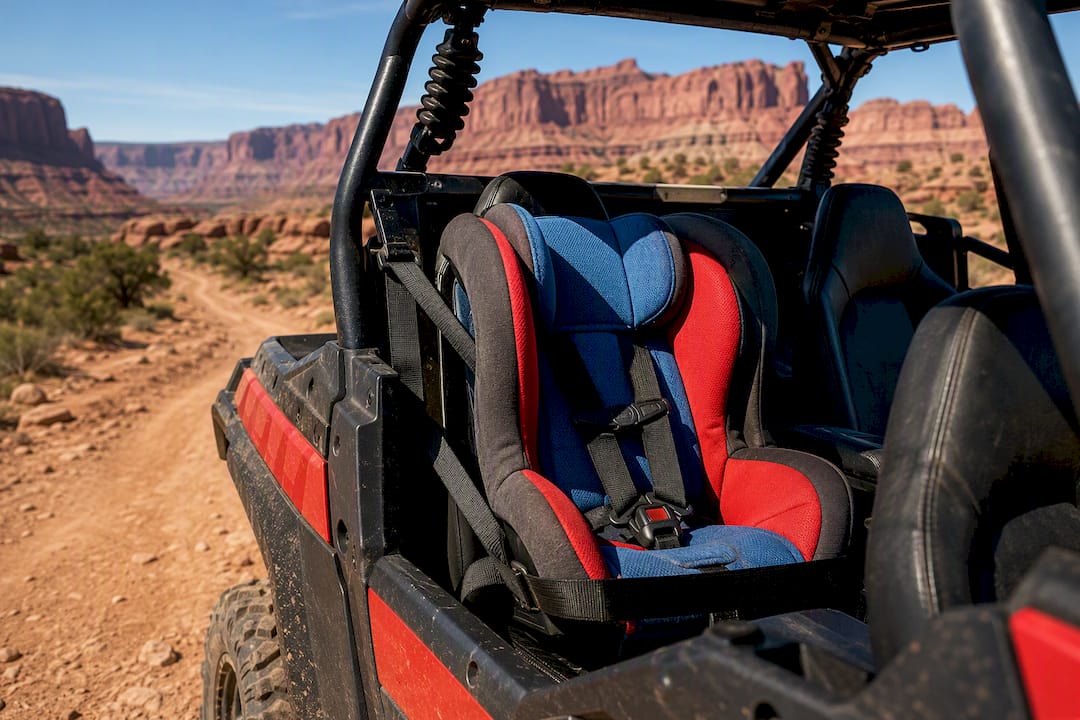
Epic 4x4 Adventures offers early morning tour departures timed to put your group on-trail during peak light windows. The Polaris Xpedition XP5 Northstar's enclosed cab handles the cool pre-dawn temperatures at the staging area, so your group arrives at the shooting location comfortable and ready rather than already cold from the approach.
Specific Shooting Locations UTV Tours Access
Hell's Revenge: The slickrock domes above the highway provide 360-degree elevation with the canyon, La Sal Mountains, and Moab Valley in the same frame. Golden hour on the domes produces shadows and textures that midday shooting can't replicate. The Gateway to Hell's Revenge and Fins & Things tour covers both trail systems.
Fins & Things: The layered sandstone fins create natural framing opportunities that work exceptionally well in wide-angle compositions. Shadows between the fins in morning light produce depth and dimension that outdoor photographers specifically seek.
Colorado River Corridor: Elevated trail positions above the river produce reflection shots that most visitors don't realize exist from Moab. The water picks up sky color more completely from height, and the canyon walls compress in ways that make the river appear more dramatic than it does from shore level.
Gear Considerations for UTV Trail Photography
Dust: Desert trail dust is real and consistent. Camera bodies should go in a bag between shooting locations, not on a strap around your neck. Lens changes are best done in the vehicle cab, not on the trail. Bring a blower and lens cloth.
Stabilization: The approach to overlook positions on slickrock trail involves vibration and movement. A lens with image stabilization handles in-transit movement. For dedicated still photography at overlook stops, a small travel tripod fits in the Xpedition's cargo area without issue.
Battery: Cold mornings drain batteries faster than the camera's displayed estimate suggests. Bring one extra battery per body, minimum. Pre-dawn departures in spring and fall mean the first hour on-trail runs in temperatures that accelerate battery drain.
How the Tour Format Works for Photographers
The guide-led caravan format gives photographers something a self-drive rental doesn't: a trail-knowledgeable person who can identify the shooting positions that aren't obvious from the vehicle. Epic 4x4's guides know the trails in all conditions and can note when a particular overlook position is worth a longer stop based on current light. That local knowledge is the difference between driving past the best angle and stopping at it.
Small group sizes also mean the pace is flexible enough to accommodate photography stops. You're not moving through a trail on a bus schedule. If the light at a particular ridgeline section is doing something exceptional, the guide can work with the group's timing rather than against it.
Which Tour to Book for Photography
The Gateway to Hell's Revenge and Fins & Things combination is the strongest photography itinerary in the catalog—two trail systems with distinct visual characters that cover elevated slickrock, canyon corridor views, and the layered fin formations. The Moab Slick Rock Discovery tour is the focused choice for photographers specifically after elevated canyon panoramas. Both can be requested as early-departure tours for golden hour access—mention your photography goals when you book.
Frequently Asked Questions
Can I bring a full camera setup on a UTV tour?
Yes—DSLR and mirrorless bodies with multiple lenses are manageable on UTV tours. The Polaris Xpedition XP5 has enclosed cab space and cargo area for a camera bag. Keep bodies in the bag between shooting locations to manage dust, and bring a basic cleaning kit. Tripods fit in the cargo area of the Xpedition fleet without issue.
What time do photography-focused tours depart?
Early morning departures can be arranged to time your group's arrival at primary overlook positions during golden hour. Exact departure times depend on sunrise timing and your specific trail selection. Mention your photography goals when booking—the team can advise on optimal departure windows for the dates you're considering.
Is the Xpedition XP5 better than the RZR Pro R for photography tours?
For photography-focused tours, the Xpedition XP5 Northstar has practical advantages: the enclosed climate-controlled cab keeps the group comfortable during cold early-morning approaches, and the larger interior provides space to manage camera gear between stops. The RZR Pro R is the higher-performance machine, but for photography-oriented groups where comfort and gear management matter more than maximum speed, the Xpedition is the stronger fit.
Do I need photography experience to benefit from a photography-focused UTV tour?
No—the tour provides trail access and optimal positioning; the photography experience you bring is your own. Smartphone photographers benefit from the access as much as dedicated camera users. The canyon views from trail positions produce compelling images regardless of the equipment involved.
Ready to see Moab from angles nobody else has? Browse our tour options or contact the team to discuss an early-morning photography departure.