Meta Title: Utah Mighty 5 Road Trip Itinerary | With Off-Road Adventures Meta Description: Plan your Utah Mighty 5 national parks road trip with this day-by-day itinerary, including off-road adventures and things to do between parks. Slug: /blog/utah-mighty-5-road-trip-itinerary Primary Keyword: Utah Mighty 5 road trip Word Count Target: ~2,200
Utah's five national parks span roughly 500 miles of desert, canyon, and plateau terrain. Arches, Canyonlands, Capitol Reef, Bryce Canyon, and Zion. They're collectively known as the Mighty 5, and driving them in a single trip is one of the best road trips in the American West.
Most itineraries you'll find online cover the parks themselves. This one covers the spaces in between, because some of the best experiences on a Mighty 5 road trip don't happen inside park boundaries.
How Many Days Do You Need?
A week is ideal. You can compress it into five days if you move efficiently, but seven days gives you time to actually enjoy each stop instead of just checking boxes.
The route below assumes you're starting and ending in Moab, which puts you at the doorstep of two of the five parks (Arches and Canyonlands) and centrally locates you for the full loop.
Day-by-Day Itinerary
Days 1-2: Moab (Arches + Canyonlands)
Moab is the home base for two Mighty 5 parks and the off-road capital of Utah.
Arches National Park is 5 minutes from town. Delicate Arch at sunrise or sunset is the image you've seen a thousand times, and it's worth the 3-mile round-trip hike to see in person. The Windows section and Double Arch are shorter walks with big payoffs. Timed entry reservations are required during peak season, so book those early.
Canyonlands National Park has three districts. Island in the Sky is the most accessible from Moab (30 minutes) and delivers some of the most dramatic overlooks in the state. Grand View Point and Mesa Arch are the headliners.
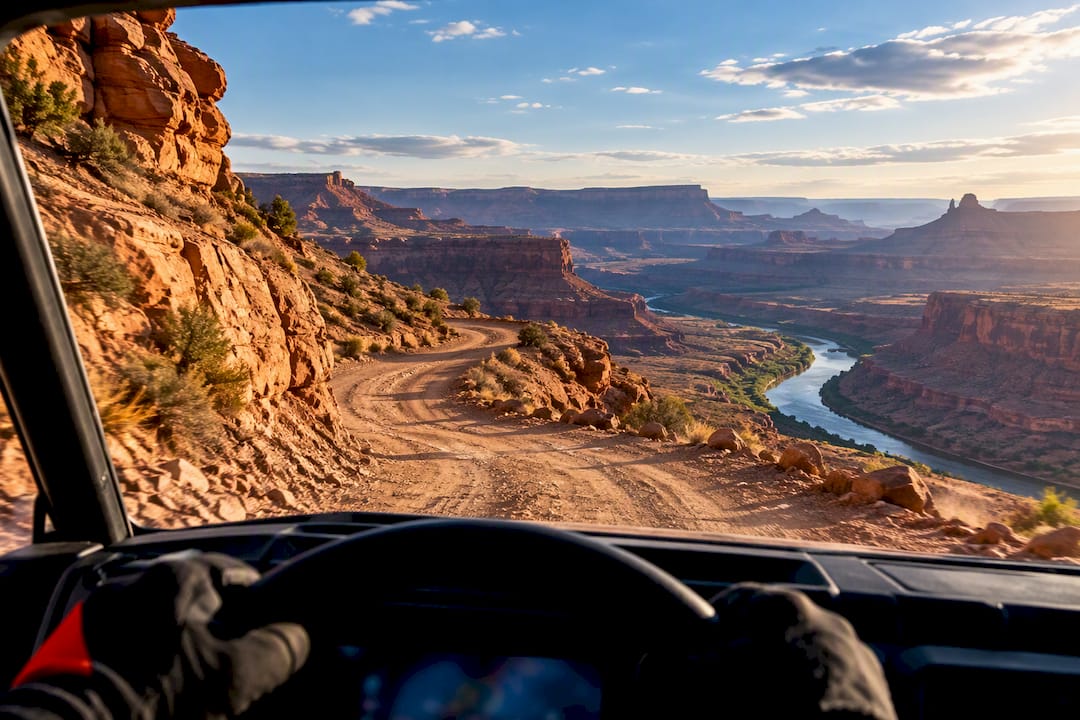
Between the parks: This is where Moab's off-road terrain comes in. The landscape surrounding both parks is open BLM land crisscrossed with trails that most visitors never see.
A self-guided UTV rental puts you on trails with built-in navigation and preloaded routes. You choose the experience level: scenic desert washes, technical slickrock, or something in between. Our 2026 Polaris RZR fleet starts at $259 and includes Adventure Assure rider protections.
For a guided experience, the Moab Discovery Tour runs 4 hours through riverside canyons, ancient petroglyphs, and wind-carved caves. Five seats in a climate-controlled cabin, so the whole family fits without splitting across vehicles.
And if you want to see Moab from the highway in something that turns heads, the Polaris Slingshot is an open-air three-wheeler that makes the scenic drive to Dead Horse Point State Park (highly recommended, not technically a Mighty 5 park but arguably the best overlook in Utah) feel like its own separate adventure.
Day 3: Moab to Capitol Reef (2.5 hours)
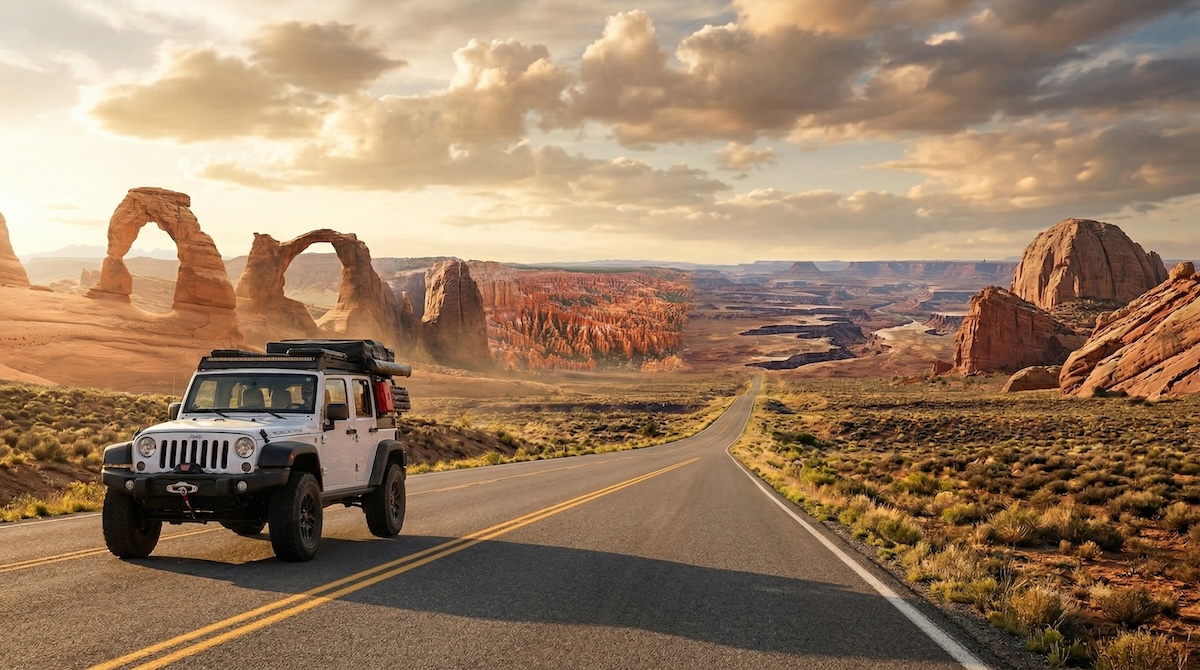
The drive from Moab to Capitol Reef follows Highway 24 through some of the most underappreciated landscapes in the state. Red rock gives way to grey badlands, then to the colorful Waterpocket Fold that defines Capitol Reef.
Capitol Reef National Park is the least visited of the Mighty 5, and that's its best quality. The Scenic Drive is a 16-mile round-trip paved route with sandstone cliffs towering on both sides. Capitol Gorge and Grand Wash are short, easy hikes through narrow canyons. The Gifford Homestead has fresh fruit pies baked daily during the season, and yes, they're worth stopping for.
Between parks tip: Stop at Goblin Valley State Park on your way. It's about 45 minutes off the main route, and the mushroom-shaped rock formations look like nothing else on the trip.
Day 4: Capitol Reef to Bryce Canyon (2 hours)
Highway 12, the road connecting Capitol Reef to Bryce Canyon, is regularly called one of the most scenic drives in America. It crosses the spine of a narrow hogback ridge with drop-offs on both sides, passes through the red rock tunnels of Red Canyon, and winds through the town of Escalante.
Bryce Canyon National Park is technically not a canyon. It's a series of natural amphitheaters carved into the edge of a plateau. The hoodoos (tall, thin spires of rock) are unlike anything in the other four parks. Sunrise Point and Sunset Point are the most photographed, but the Navajo Loop trail drops you down into the formations for a perspective you can't get from the rim.
Day 5: Bryce Canyon to Zion (1.5 hours)
The drive from Bryce to Zion moves through high plateau country that gradually descends into the deep, narrow canyons Zion is known for.
Zion National Park is the busiest of the five, and for good reason. The Narrows (hiking through the Virgin River between 1,000-foot canyon walls) and Angels Landing (an exposed ridgeline hike to a summit overlook) are both bucket-list experiences. The park runs a shuttle system through the main canyon during peak season, so plan to ride the bus rather than drive.
Days 6-7: Return to Moab (4.5 hours direct, or overnight stop)
The return drive from Zion to Moab can be done in a long day or split with an overnight in a town like Richfield or Green River. If you have time, the San Rafael Swell area between Green River and Price is worth a detour for its slot canyons and painted desert.
Ending back in Moab gives you the option to book that off-road adventure you didn't get to on Day 1 or 2. A sunset Hell's Revenge tour is a strong way to close the trip.
Planning Tips for the Mighty 5
Book timed entries early. Arches, Zion, and sometimes Bryce require reservations during peak months (April-October). These fill up weeks in advance.
Don't underestimate drive times. Utah's highways are scenic but often two-lane with limited passing. Add 30-60 minutes of buffer to Google Maps estimates.
Bring layers. Elevation changes across the Mighty 5 route are dramatic. Moab sits at 4,000 feet. Bryce Canyon rim is above 8,000. A 30-degree temperature difference between the two is normal.
Reserve accommodations in advance. Moab, Springdale (Zion), and the towns near Bryce all have limited hotel inventory relative to demand during peak season.
Mix up your activities. Five national parks in a week is a lot of hiking and scenic overlooks. Off-road adventures, river activities, and scenic drives between parks break up the pattern and give your legs a rest.
Browse our full tour and rental options for the Moab portion of your trip, or visit our FAQ for booking details.
Frequently Asked Questions
What's the best time of year for the Mighty 5 road trip? April-May and September-October. Temperatures are moderate across all five parks, crowds are manageable (especially midweek), and the light is ideal for photography.
Can I do the Mighty 5 in less than a week? You can hit all five in 4-5 days, but you'll be spending more time driving than exploring. A week gives you at least a full day at each park, plus time for activities between them.
Which park should I spend the most time at? Zion and Moab (Arches + Canyonlands combined) offer the most variety and deserve at least two days each. Capitol Reef and Bryce are smaller and can be covered in a day each.
Is the Mighty 5 road trip family-friendly? Yes. Every park has accessible viewpoints and shorter trails suitable for kids and older adults. In Moab, our Discovery Tour is designed specifically for multi-generational families.